

HDD Reamers and Hole Openers
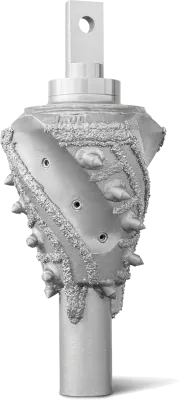
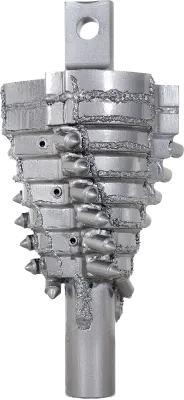
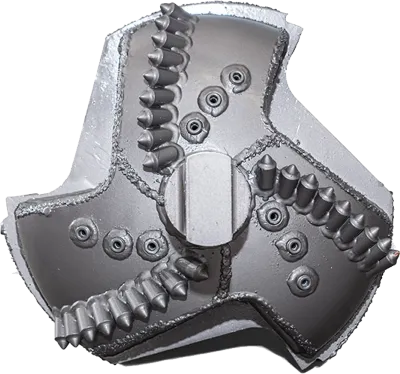
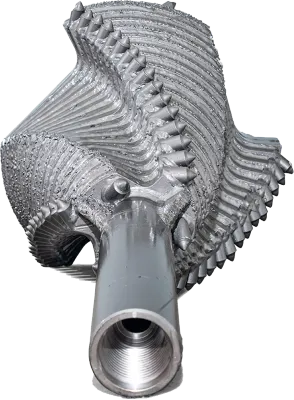
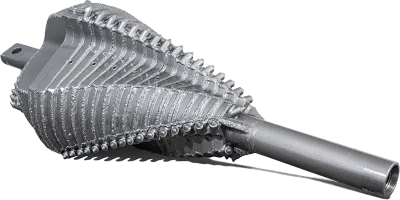
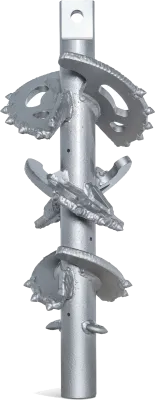
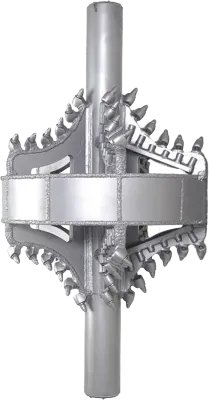
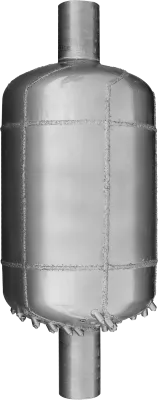
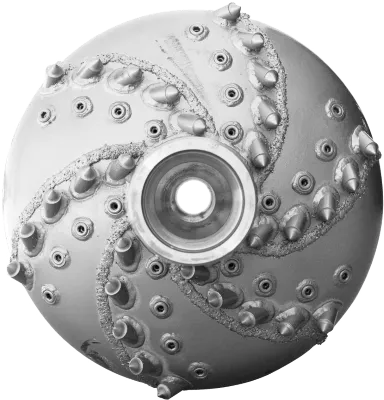
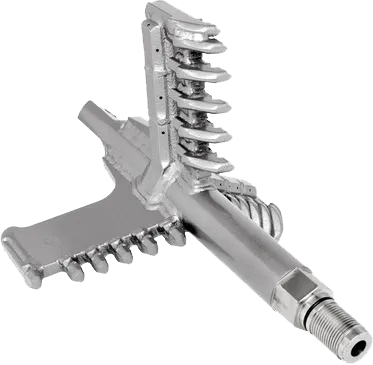
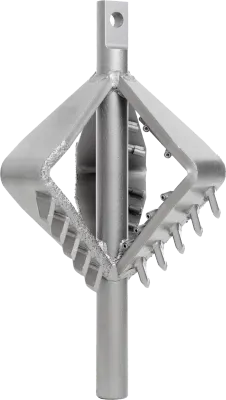
Back-reaming heads that open the pilot bore to the diameter needed to pull the product pipe — fly-cutter, compaction and rock (hole opener) types for every soil class.
Call us to choose the reamer best suited to your soil class and target pipe diameter, and to get stock and price information!
+90 533 075 0222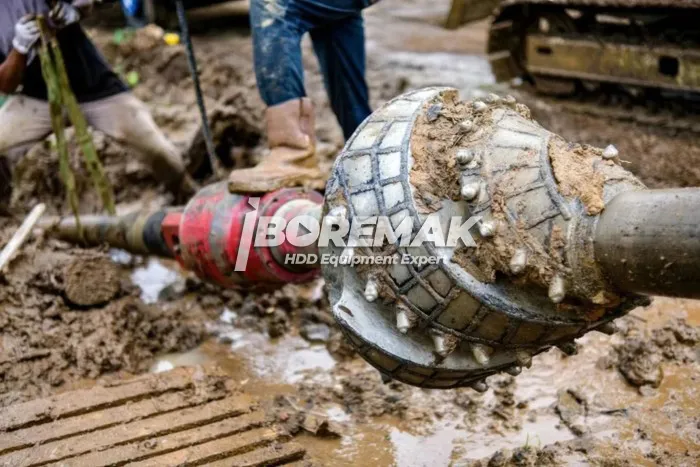
What is a reamer?
A reamer (back-reaming head) is the tool that, in horizontal directional drilling, enlarges the pilot hole to a diameter through which the product pipe can be pulled comfortably. Once the pilot bore is complete, the directional bit at the tip is removed, the reamer is attached in its place, and as the drill string is pulled back toward the entry pit (back-reaming) the hole is opened to the target diameter.
A reamer doesn't just cut the ground; it mixes the pumped drilling fluid with the cuttings and fluidises them, coats and stabilises the borehole wall, and prepares a clean channel for the product pipe. The hole is generally opened to about 1.5 times the pipe's outside diameter (or pipe diameter + 15 cm); this annular space is needed both for the pipe to pass without friction and for the fluid to carry the cuttings to the surface.
Choosing the right reamer directly determines the speed, safety and cost of the crossing. A reamer matched to the soil class, target diameter and mud programme means lower pullback force, a cleaner hole and longer pipe/machine life. The wrong choice raises the risk of hole collapse, pipe jamming and expensive downtime.
How does reaming work? (back-reaming)
In HDD the hole is not opened to its final diameter in one pass; it is enlarged in stages, with progressively larger reamers (pre-reaming). In a typical application the pilot hole is first opened to an intermediate diameter, then to the final diameter in one or more passes. Enlarging the hole sufficiently on each pass lets the tool advance without strain or vibration.
During reaming the drill string both rotates and is pulled back. As the reamer cuts the ground with its rotating cutters or blades, the pumped bentonite mud fluidises the cuttings and carries them toward the entry pit. Nozzles (mud outlets) on the body direct the fluid to the cutting face, cooling the cutters and keeping the hole clean and unclogged.
Before the final pass a swab pass is often made: a run that doesn't cut but conditions the hole and evacuates the remaining cuttings. When the pipe is pulled through this clean, stable hole, the pullback force is low and the risk of jamming is minimal.
The product pipe is usually connected behind the reamer through a swivel; the swivel keeps the pipe from rotating while the tool turns, protecting the pipe from torsion.
The right reamer type for the ground
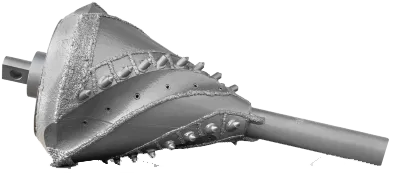
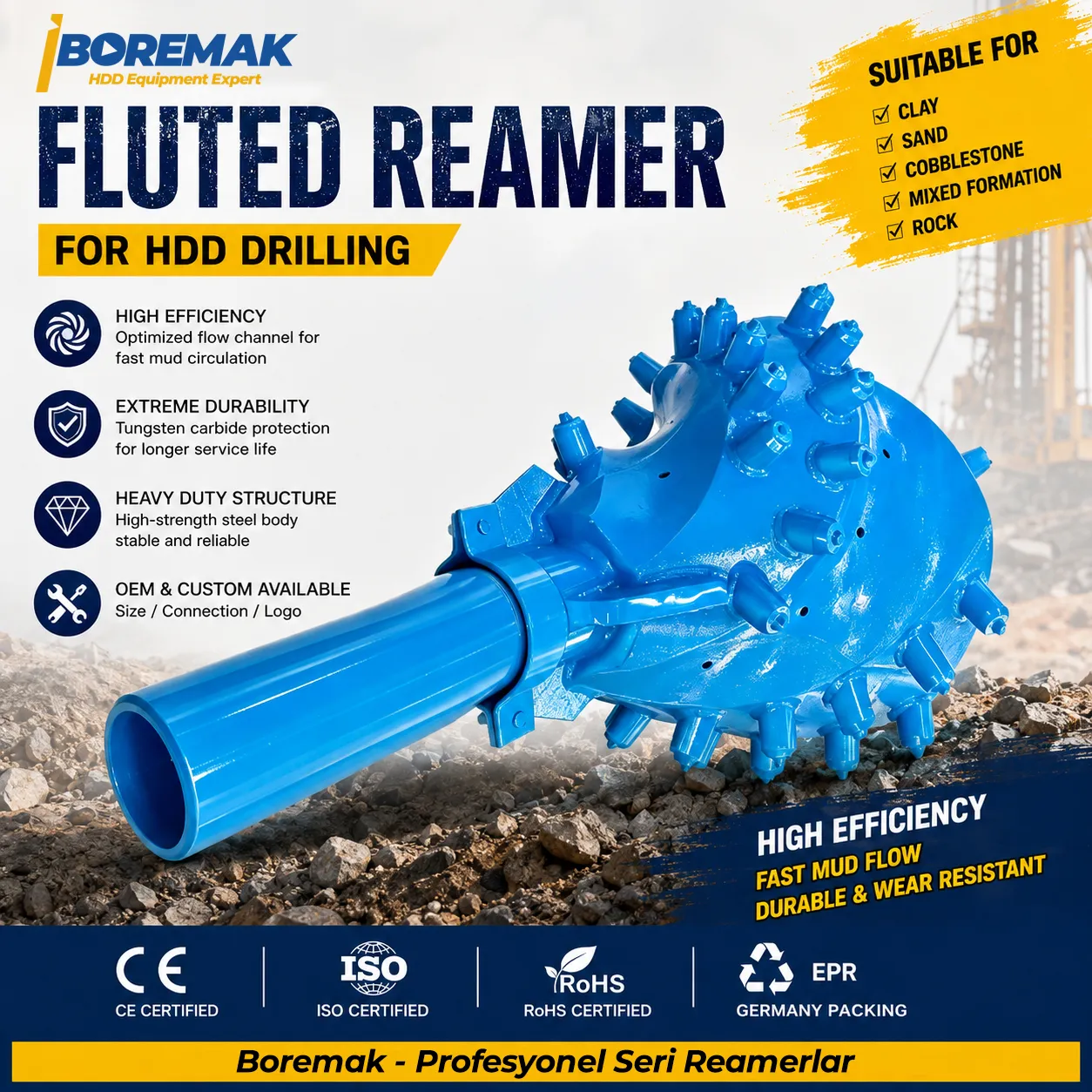
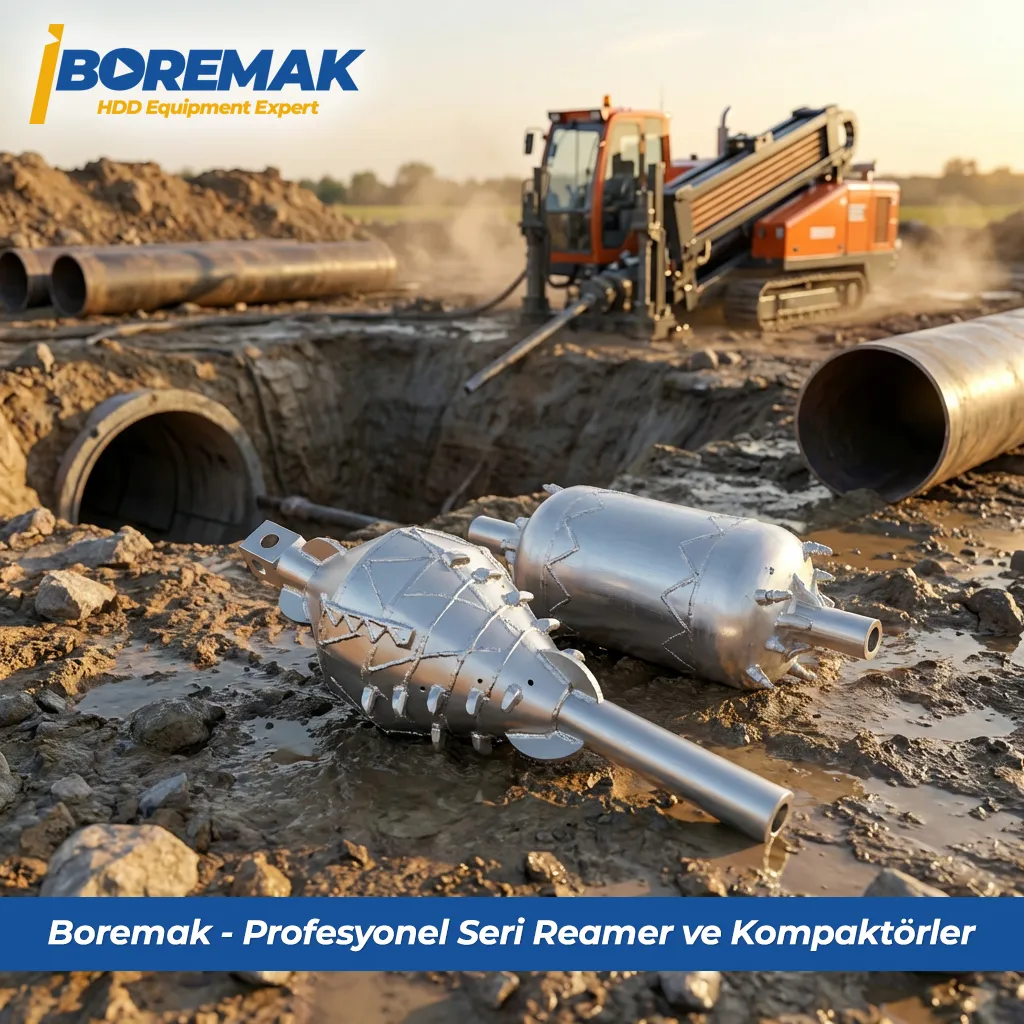
Every soil class calls for a different reamer. In soft, sticky clays, fluted reamers that cut and mix the soil with mud, and fly-cutter reamers with replaceable blades, are preferred; these cut, knead and fluidise the material.
In sandy, gravelly and loose granular soils, compaction / cone reamers that compress and consolidate the borehole wall outward — rather than cutting — come to the fore; this type holds the hole open in collapse-prone ground.
In mixed ground, barrel reamers combine cutting, gauging and string-straightening, and are often used together with fly-cutters. When hard rock is involved, standard bladed reamers fall short; the conical roller hole opener takes over (see the Titan Hole Opener Series below).
When the wrong type is chosen the hole collapses, pullback force spikes and the pipe-jamming risk rises; the right type finishes the job clean and in a single pass.
The benefits of using the right reamer
The returns of using a reamer suited to the project are clearly seen in the field. Thanks to the correct hole diameter and annular space, the pipe passes without tension and mud flow and cuttings removal stay uninterrupted.
Low pullback force reduces the load on the pipe, coating and machine, extending equipment life and making longer crossings possible. With a stable hole, the risk of wall collapse, pipe jamming and frac-out (mud escaping to the surface) drops noticeably.
In the end the crossing is completed in less time, with fewer stoppages and at a more predictable cost. In short, the right reamer means speed, safety and efficiency — and the cost of a single failed pass is often far higher than the investment in the right tool.
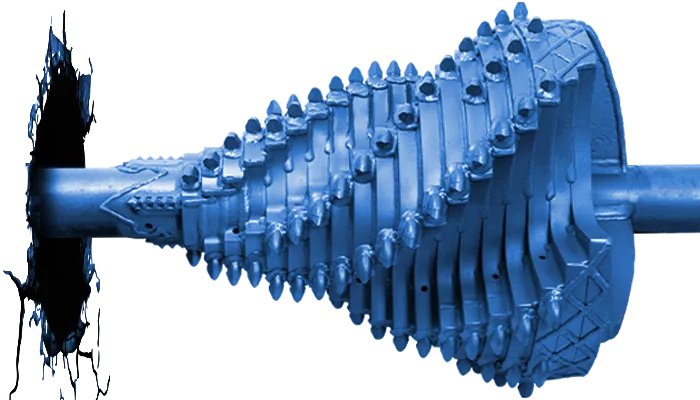
Durable body and replaceable cutters
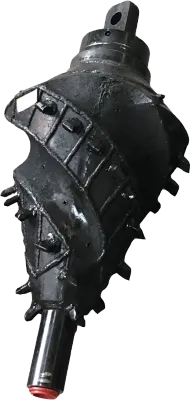
Boremak reamers are manufactured from high-strength steel that holds its form under abrasive ground and high torque. The cutting faces and the areas most exposed to wear are reinforced with hardfacing (tungsten-carbide welding), so the tool keeps its gauge (diameter) for a long time.
Blades, teeth and cutting inserts are designed to be bolted / replaceable. A worn part is removed and renewed in the field, while the body keeps serving for years. This approach keeps operating cost low by replacing only the worn part instead of discarding the whole tool.
Connection threads are machined to your rod brand and diameter; the rear end carries a pulling adapter and swivel connection. The mud channels (nozzles) on the body direct the fluid to the cutting face, cool the cutters and keep the hole clean.
Diameter and connection options
Reamers are produced across a wide diameter range, from small-diameter service lines to large-diameter infrastructure crossings. On long, large-diameter crossings, using a reamer set that increases the diameter in stages — rather than a single reamer — is the most efficient and safest solution.
On the connection side, box/pin threads are machined to your drill string, and the rear end carries a swivel and pulling eye to pull the product pipe without torsion. The right connection choice eliminates the risk of thread strain and loosening during reaming.
Share your target pipe diameter, crossing length, soil survey and machine capacity (torque, pullback force, mud flow rate); let's determine together the reamer(s) and connection set best suited to your staged reaming plan.
Titan Hole Opener Series
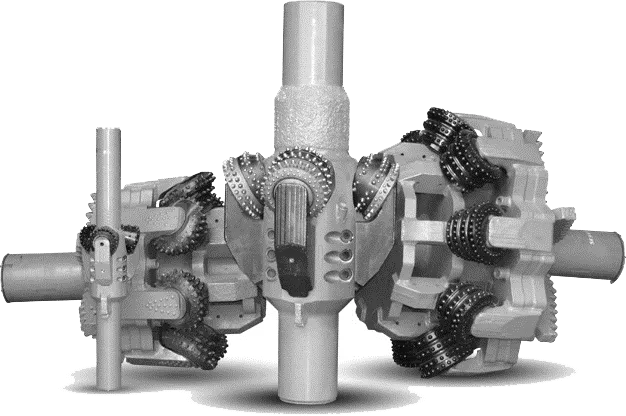
Hole opener for rock ground
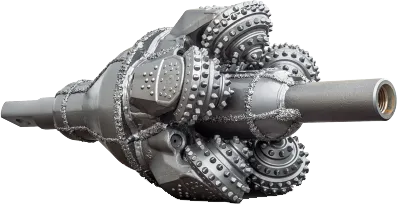
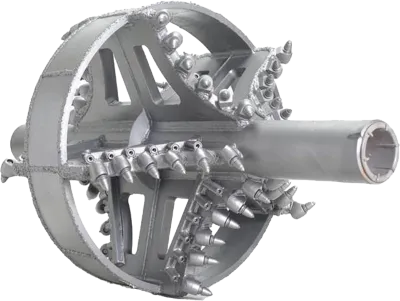
In hard, rocky formations standard bladed reamers fall short; this is where the hole opener (rock reamer) comes in. The Titan Hole Opener series is a sturdy body carrying roller-cone cutters; these cones, with the tungsten-carbide inserts (TCI) on their surfaces, crush and break the rock to open the hole to the target diameter.
The hole opener rotates while following the pilot hole; as each cone turns on its own axis it fragments the rock under pressure. Insert hardness and cone arrangement are selected according to the target rock class (medium-hard, hard, abrasive) — optimising both drilling speed and tool life.
Even in ground such as granite, basalt and hard limestone it provides stable progress with low vibration; this preserves the accuracy of the line and protects the equipment behind it from fatiguing impacts.
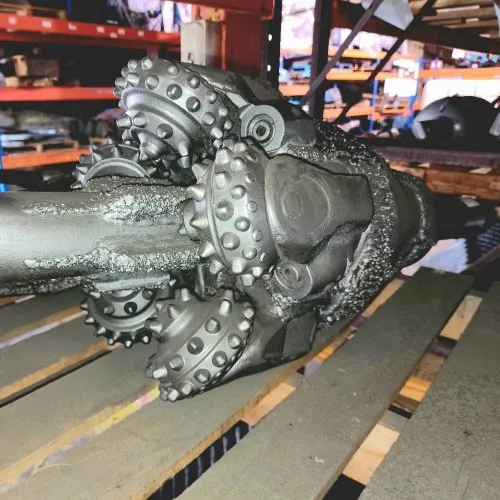
When and how is a hole opener used?
A hole opener is usually run together with a mud motor or rotary table; in hard rock, power is transferred directly to the cutter group at the tip rather than rotating the entire drill string. Adequate mud flow both cools the cones and evacuates the broken rock chips from the hole. For this reason the reamer, mud motor and mud programme must be planned together on rock crossings.
Cone bearings and carbide inserts are the parts most worn in rock drilling; in the Titan Hole Opener series the cones and bearings are therefore designed to be replaceable. When the right insert hardness and cone arrangement are chosen for the soil class, maximum drilling speed and tool life are achieved.
Tracking wear regularly prevents unexpected downtime in the field; when play in the cone bearings and insert loss are noticed in time, the tool is renewed safely. Share your project's rock class, target diameter and machine torque; let's determine the best hole opener – mud motor combination together.
Share your target pipe diameter, crossing length and soil class; let's determine together the reamer or hole-opener set best suited to your staged reaming plan.
+90 533 075 0222