

HDD Sonde Housings
Steel housings that carry the steering transmitter (sonde) behind the drill head — protecting the electronics while letting the signal through. Side-load and rear-load, CrMo4.
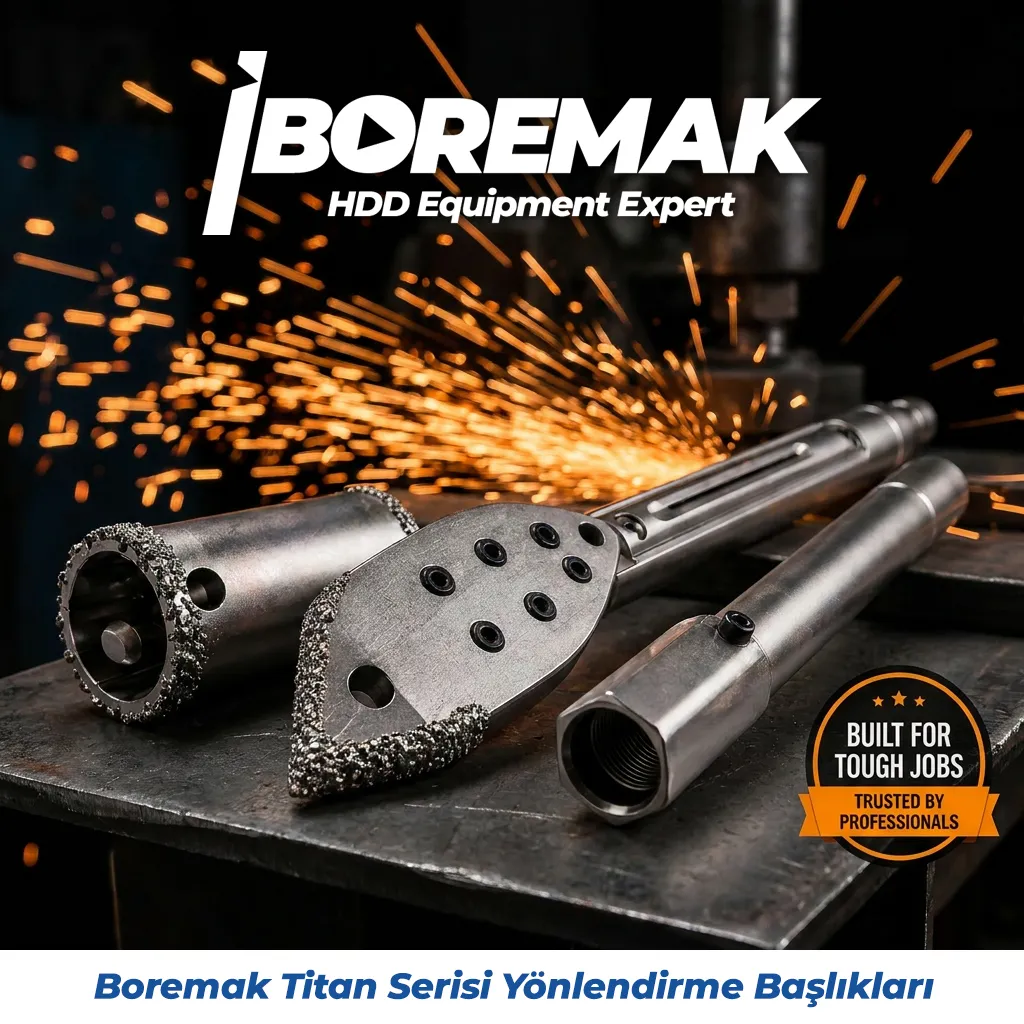
What is a sonde housing and what does it do?
A sonde housing (transmitter housing) is the steel body used during the pilot-bore stage of a horizontal drilling machine that holds the steering transmitter (sonde/beacon) inside the bore. It connects just behind the drill head; the transmitter inside lets the operator track the bore's depth, pitch and direction from the surface. The housing's job is to protect this sensitive electronic transmitter from the impact, wear and pressure of the ground, while not blocking the signal from reaching the surface.
Manufactured from CrMo4 raw material and heat-treated (quenched and tempered) for high strength and flexibility, sonde housings are produced specifically for each machine and rod form. Extra adapters can be used for different thread forms. Contact us for models compatible with Steton, Vermeer, Ditch Witch, Tracto-Technik, Forward and all other brands.
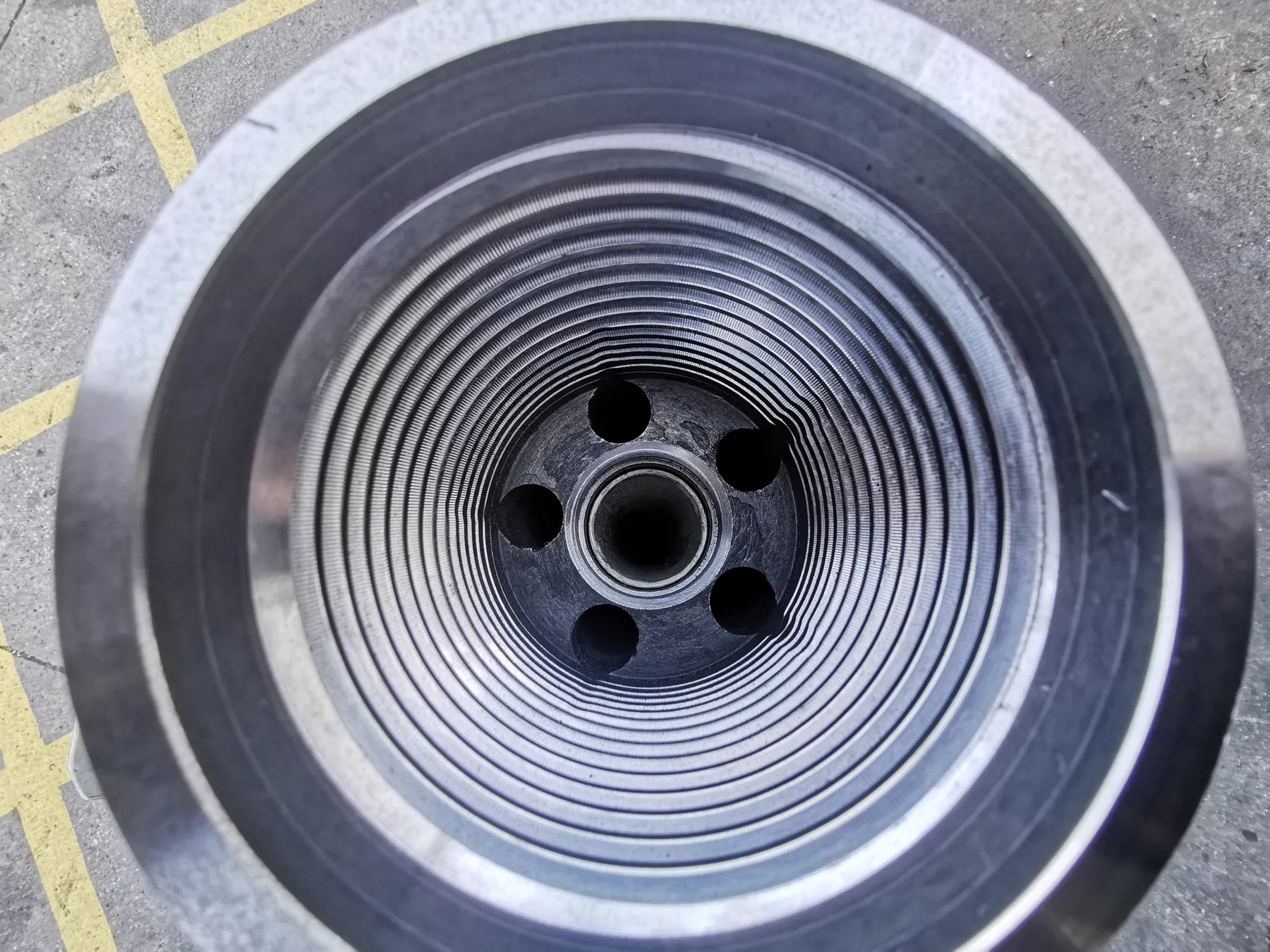
Transmitter protection and signal transparency
The housing body is machined from high-strength steel, and its inner surface is designed to cushion the transmitter against impact. The area where the transmitter window sits is deliberately left open so the radio signal can reach the surface without attenuation. This balance — maximum protection with an uninterrupted signal — is the most critical feature that sets a good housing apart from an ordinary pipe.
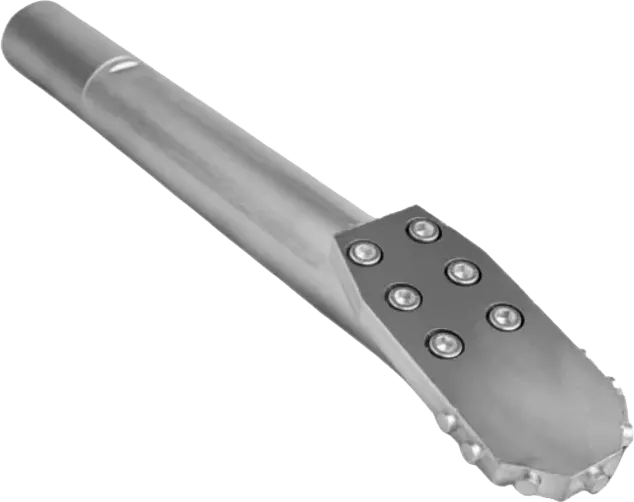
Side-load and rear-load models
Sonde housings are produced in two main types according to how the transmitter is inserted:
Side-load: The transmitter is placed by removing a cover on the side of the body. The cover is fixed with screws. It provides quick access to and easy replacement of the transmitter in field conditions; it is the most commonly used type.
Rear-load / top-load: The transmitter is slid in from the rear end of the body. Because it has no side cover, the body's integrity and strength are higher; it is preferred especially in hard-ground and high-torque applications.
Choosing the right type depends on your transmitter model, soil class and machine brand.
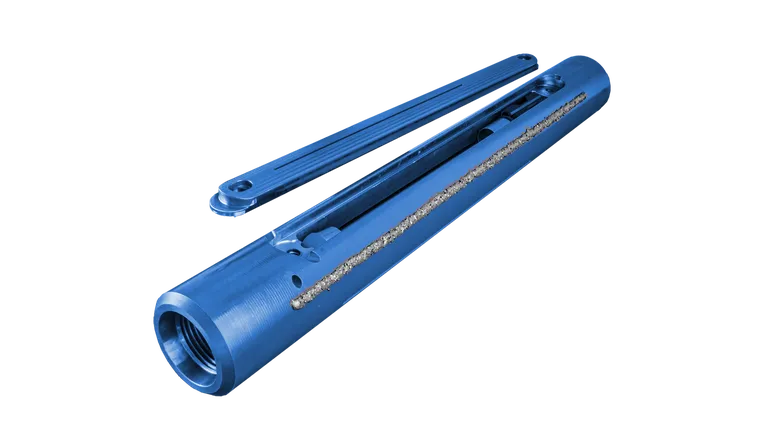
Made to suit your machine and transmitter
Boremak sonde housings are supplied to fit the thread standards of different machine brands and the common transmitter models on the market (DCI, Subsite, Radiodetection, etc.). Depending on your needs, side-load or rear-load options in different diameters and lengths are offered. Send us the brand of your transmitter and your machine thread; let's determine the right housing together.
For sonde housing selection, share your transmitter model and machine thread; let's determine the right type together over the phone.
+90 533 075 0222