

HDD Rock Drilling Tools
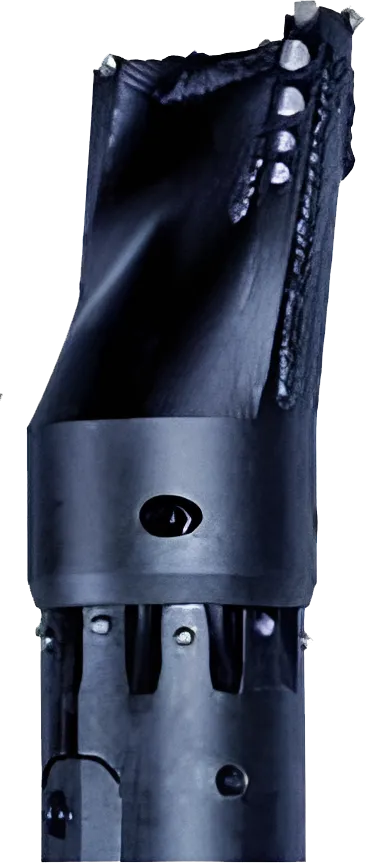
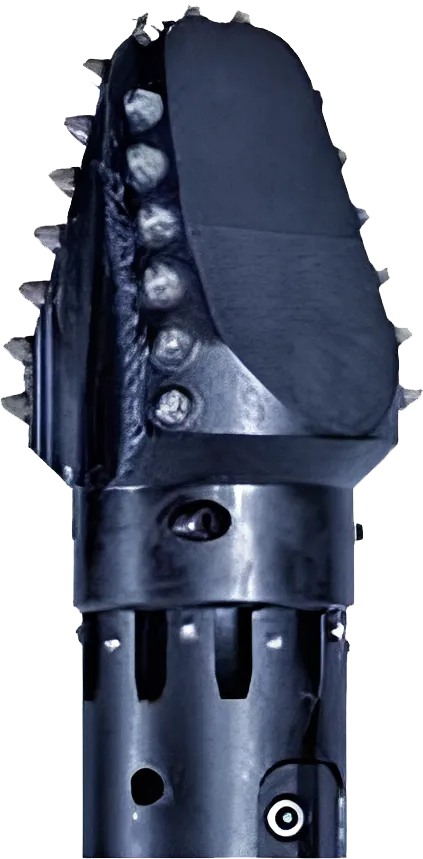
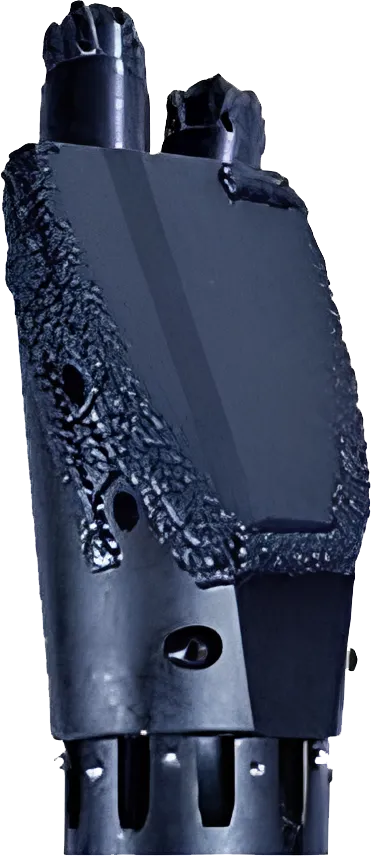
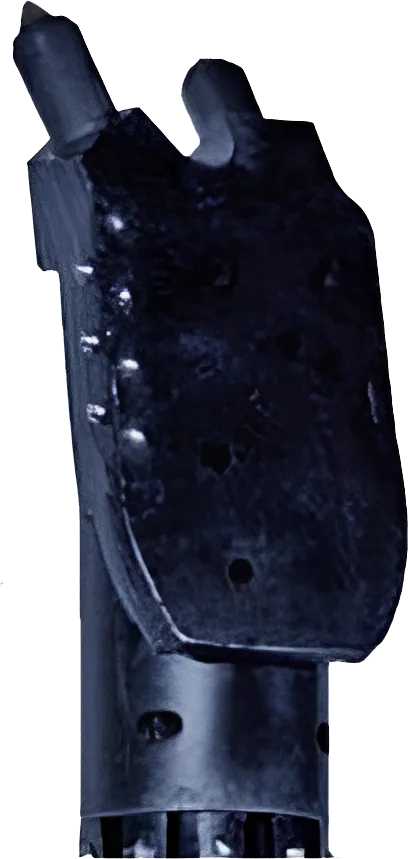
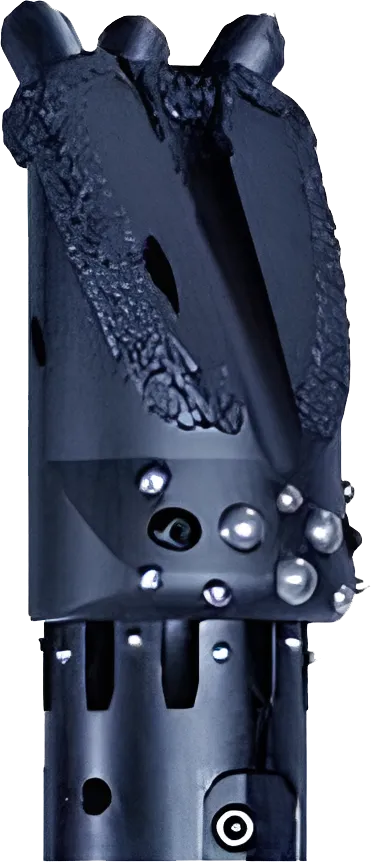
Rock drilling bits and mud motors for hard formations — granite, basalt, limestone — with carbide-button teeth for pilot boring and reaming.
What is a rock drilling bit?
Rock drilling bits are special pilot and reaming heads designed to let a horizontal drilling machine advance through hard, stony ground. In granite, basalt, limestone and gravelly formations where standard directional bits struggle, they break the rock and move forward thanks to their carbide button teeth and rotating conical structure.
The Titan Rock Series is produced in different tooth layouts and body forms according to ground hardness, hole diameter and machine torque. Choosing the right bit directly determines both the drilling speed and the total job cost in the field.
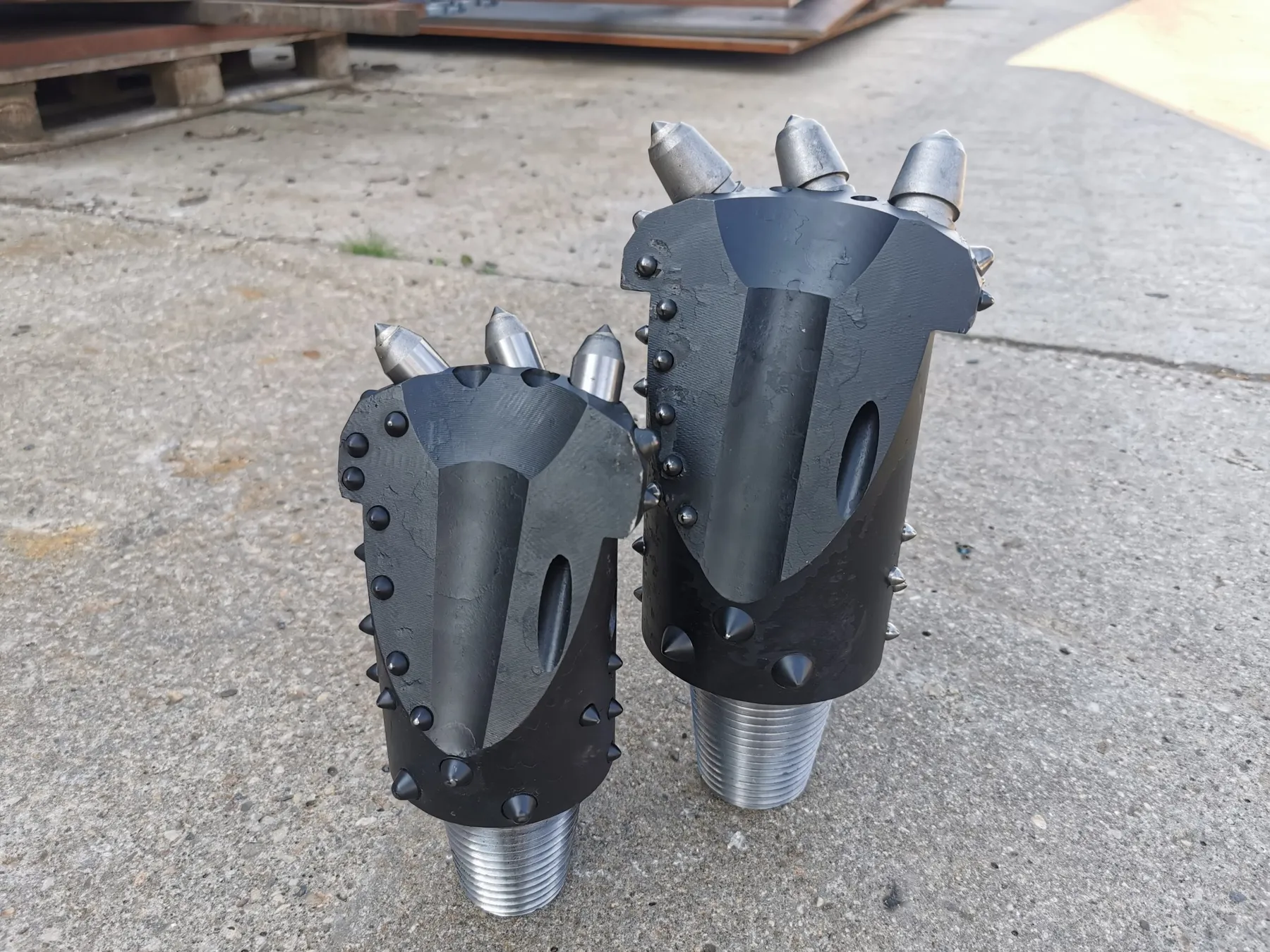
Carbide-button tooth structure for hard ground
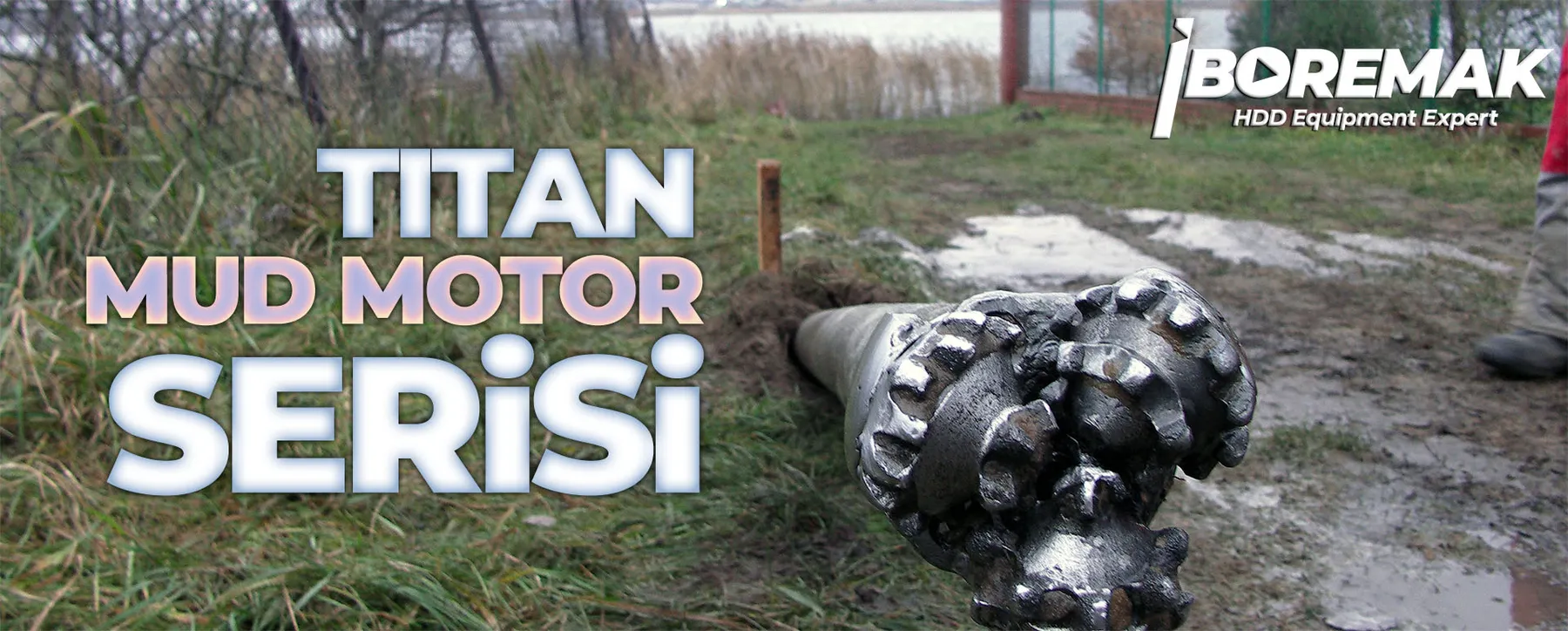
Thanks to the tungsten-carbide button teeth set on their surface, rock drilling bits break through even the toughest formations — granite, basalt and hard limestone. Two basic structures stand out depending on soil type: rotating roller-cone bits advance by crushing and breaking the rock, while fixed-body bits are preferred in softer to medium-hard ground.
The hardness, diameter and arrangement of the button teeth directly determine both the drilling speed and the bit's life. In the Boremak Titan Rock Series these teeth are positioned to balance load distribution and delay wear.

High resistance to wear
In hard-rock drilling the biggest challenge is wear. The button teeth and body of the Titan Rock Series bits are made from heat-treated steel that holds its form for a long time in abrasive ground. On roller-cone models, the bearing and sealing group is designed to keep mud from seeping in and grinding the bearings.
The result on site is clear: more metres drilled, fewer bit changes and lower operating cost. On suitable models, worn teeth can be renewed on request so the bit can be returned to service.
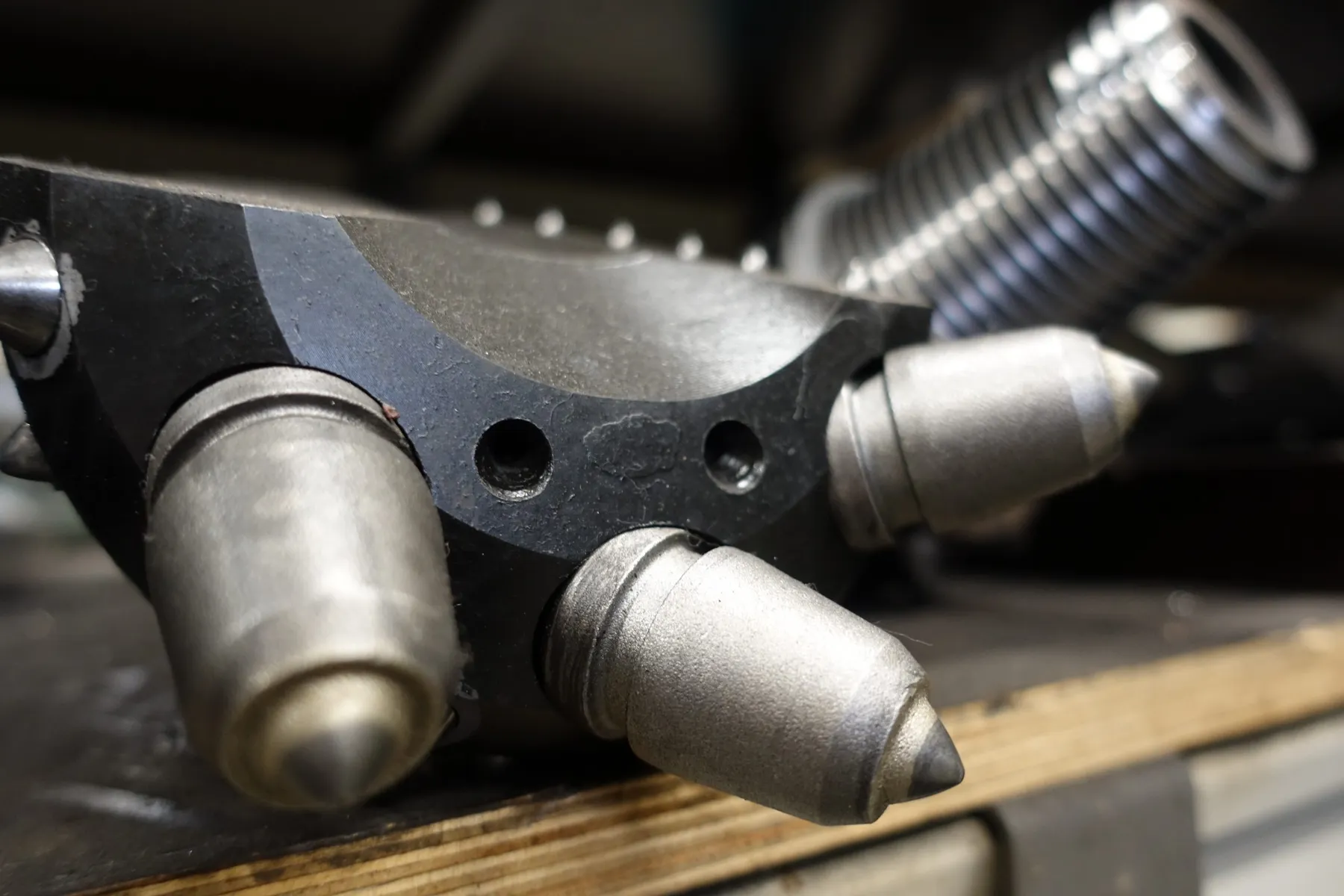
Diameter, tooth layout and body type to suit your project
Rock drilling bits are produced in different lengths, tooth densities and body forms according to the hole diameter to be drilled and the ground hardness. They cover a wide range, from small-diameter pilot passes to large-diameter reaming operations. The right choice is made by assessing the soil class, target diameter, machine torque and mud flow rate together.
For the most efficient result, share your machine brand, rod thread and, if available, your soil survey; let's determine the bit best suited to your project together.
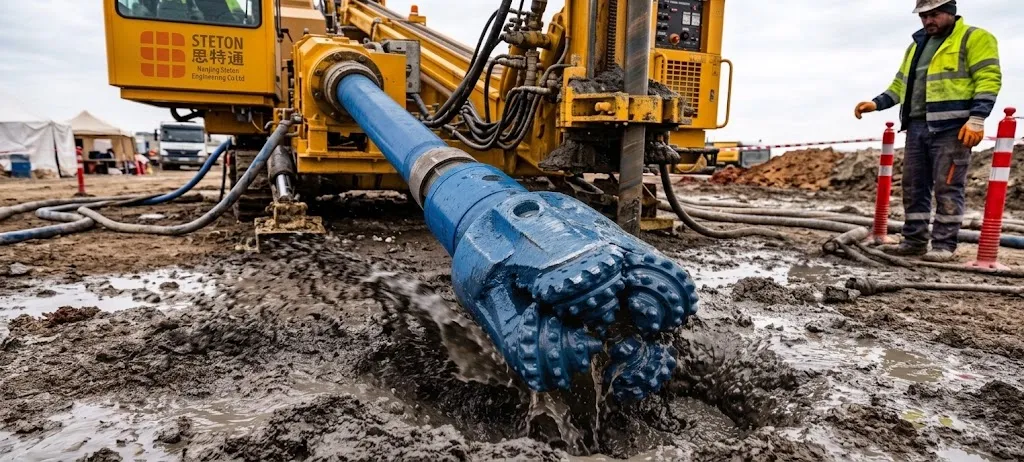
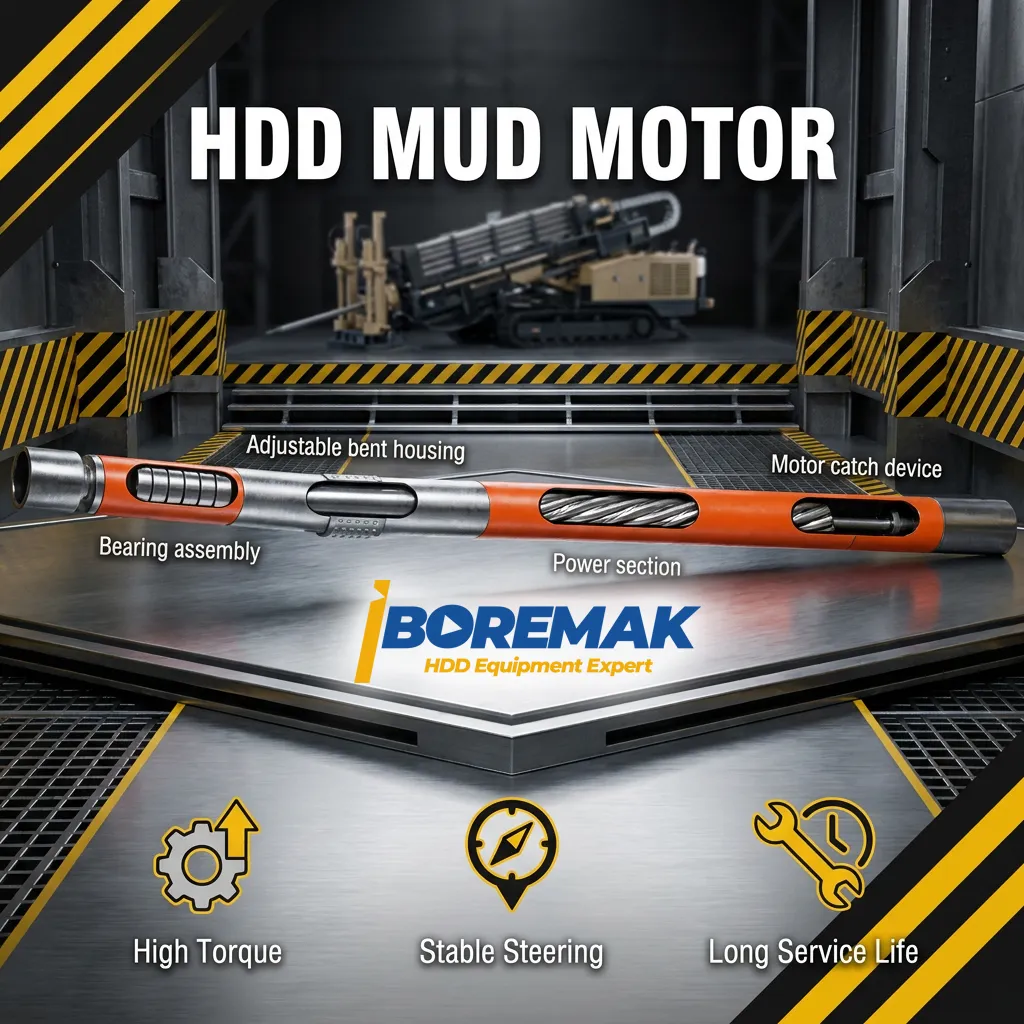
How does mud motor technology work?
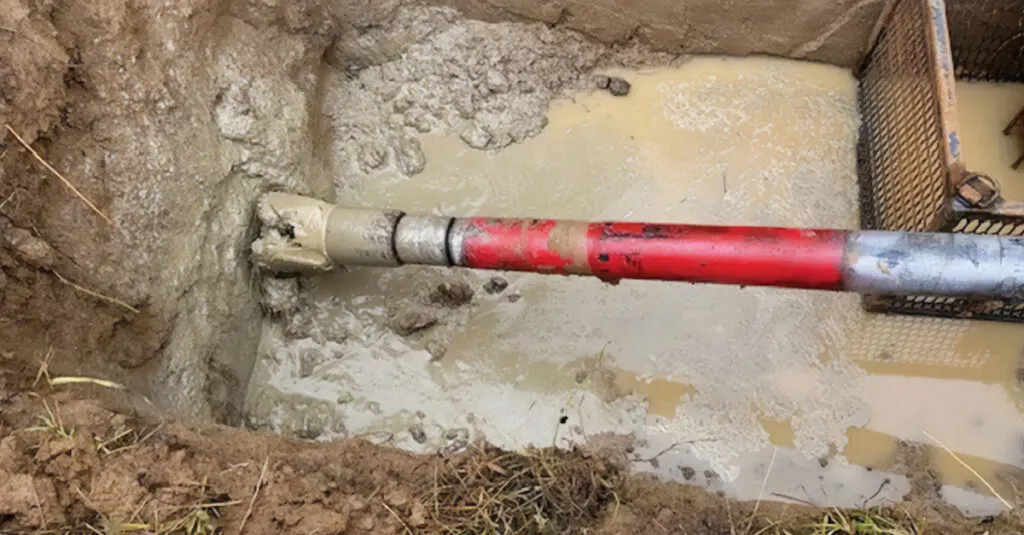
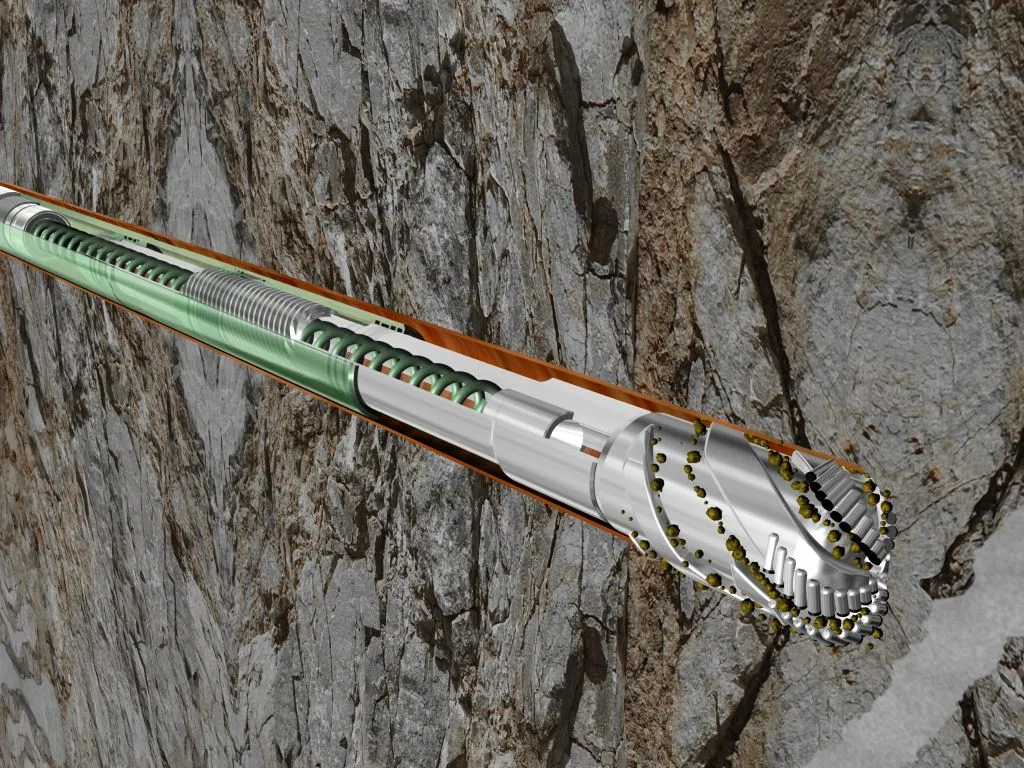
A mud motor is a positive-displacement drive unit that converts the pressure of the drilling fluid directly into rotation at the drill bit. It is based on the Moineau (progressive cavity) principle: a helical rotor turning inside a hollow elastomer stator. As the bentonite mud from the machine fills the spiral cavities between rotor and stator, it forces the rotor into continuous rotation; this rotation is transferred at high torque only to the bit at the tip, without having to turn the entire drill string.
This independent drive is decisive in hard-rock crossings, the toughest scenario in horizontal drilling. While the machine only pumps mud and pushes the rod, the motor–bit pair at the tip does the job of breaking the rock; this delivers steady progress and much more precise steering even in hard formations.
The relationship between flow, speed and torque
A mud motor's power is governed by two variables: flow rate and differential pressure. The motor's speed (RPM) is almost directly proportional to the mud flow passing through it; increase the pump flow and the tip turns faster. The torque it produces depends on the differential pressure between the motor's inlet and outlet; as the bit loads onto the ground, differential pressure and torque rise.
The speed–torque balance is set by the number of lobes in the rotor–stator. Low-lobe configurations (e.g. 1:2) give high speed–low torque; high-lobe configurations (e.g. 5:6, 7:8) produce low speed–high torque and are preferred for hard rock and large-diameter bits. In the Titan Motor Series the lobe configuration is chosen according to the target soil class and hole diameter.
From the field: The motor must always be run within the manufacturer's flow range. A sudden rise in standpipe pressure indicates that the bit is overloaded and the motor is nearing its stall limit; in that case drilling pressure should be reduced, and if it stalls, circulation should be cut to relieve the motor before reloading gradually.
High torque from mud pressure
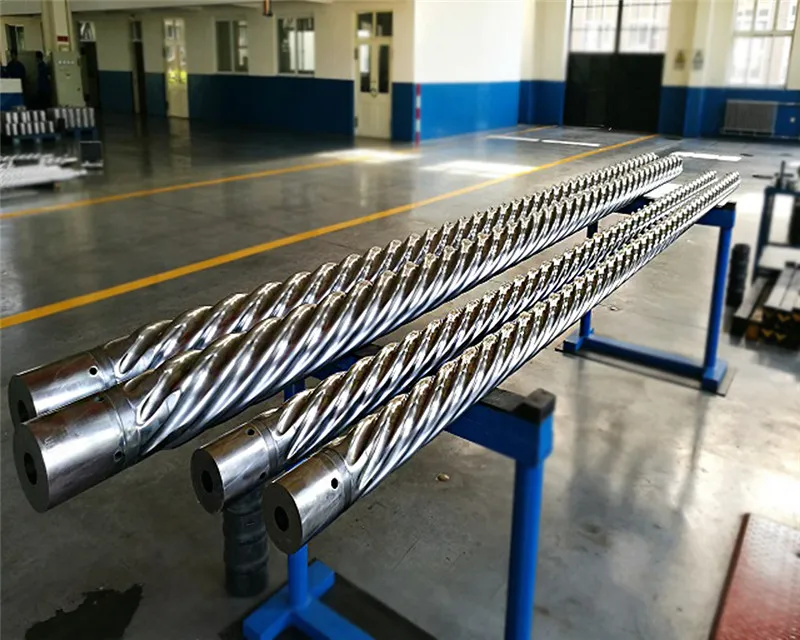
The rotor–stator group at the heart of the mud motor is the actual unit that converts mud flow into mechanical torque. The steel rotor turns in an eccentric (wobbling) orbit inside a stator lined with wear-resistant elastomer; with each turn the fluid is pushed into the next sealed cavity, providing uninterrupted drive.
As flow increases, speed rises; as load increases, differential pressure and therefore torque rise. The Titan Motor Series is designed with a rotor–stator geometry that limits heating and internal leakage even at high flow, producing stable torque.
Precise directional control in hard ground
Because a mud motor turns only the bit without rotating the drill string, it offers unmatched precision in steering. The bent-housing angle on the body lets you settle the line onto the desired trajectory: when the rod is pushed without rotating, the motor "slides" and deviates in the direction the bend points; when straight progress is needed, the whole string is slowly rotated so the effect of the bend is neutralised.
Combined with a steering probe, the planned route can be followed metre by metre even inside hard rock. This feature minimises directional deviation especially on long, deep crossings such as under rivers, roads and infrastructure.
The Titan Motor Series is designed to work as a single system with the Titan Rock Series bits; when motor speed, torque class and connection threads are matched to the bit's diameter and tooth structure, maximum drilling speed and directional accuracy are achieved in hard ground.
Durable body, maintenance and spare parts
The bearing pack at the lower end of the motor carries the axial thrust (WOB) and radial loads applied to the bit, transferring the rotation to it. The Titan Motor Series body is made from high-strength steel that provides long life under abrasive mud and constant vibration.
Maintenance and break-in. On first start the motor should be broken in under low load while warming up; if the elastomer stator is run without mud flow (dry), friction heat will burn it out quickly, so circulation must be established before drilling begins. Worn rotor–stator and bearing packs can be renewed economically in the field.
Spare parts and technical support. Rotors, stators, bearing packs and connection parts are available from stock; support is provided for installation, periodic maintenance and breakdowns. By tracking service history we help you plan stator and bearing renewal intervals in advance.
Let's choose the motor–bit pair best suited to your needs together, based on your soil survey and machine brand.
Call us to choose the right rock drilling bit and mud motor for your hard-ground project, and to get stock and price information!
+90 533 075 0222